Door 9: When Coal Changed the Mansion
The French coal stove in the dining room looks like a decorative object. In its day, it was new technology.
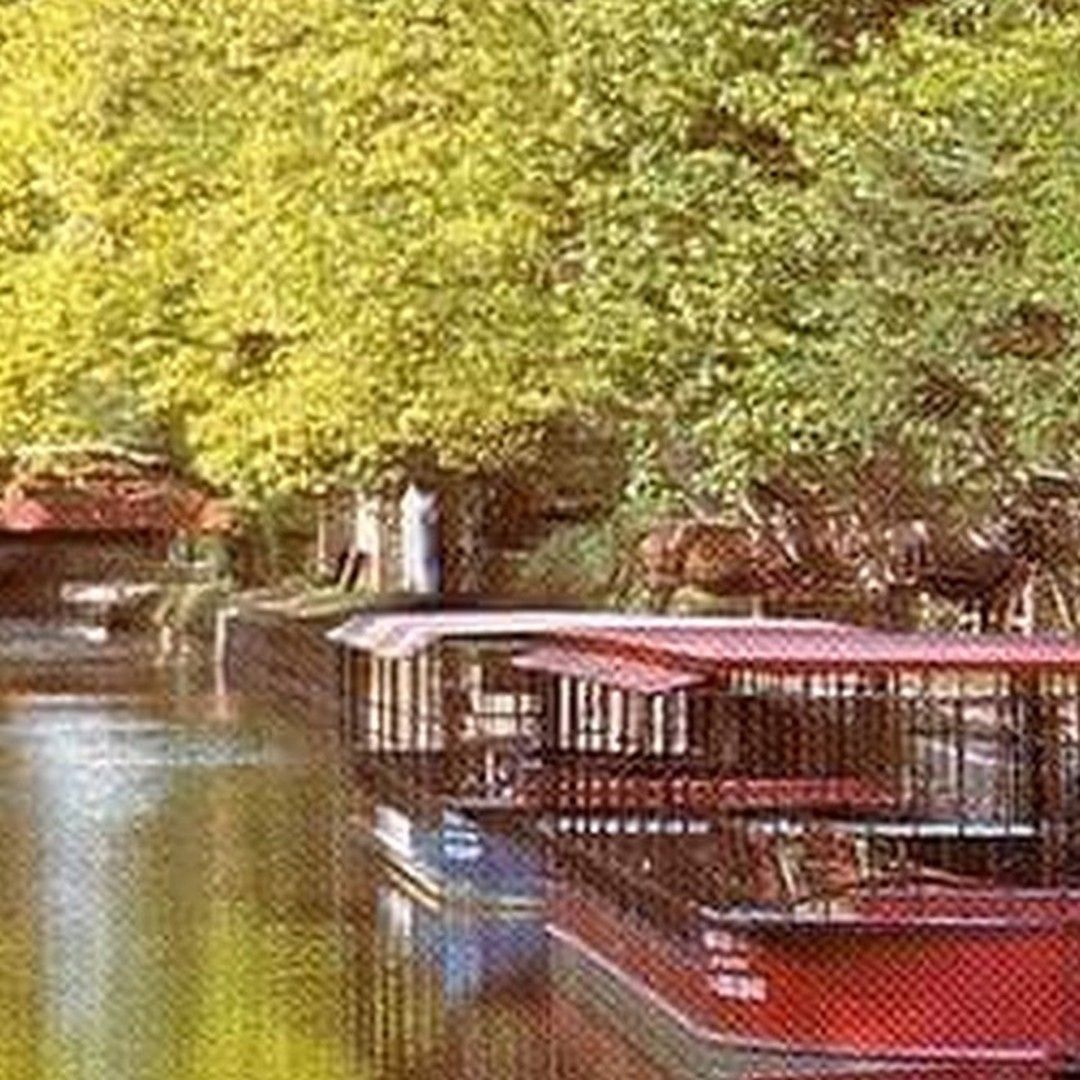
Its story begins in Pennsylvania's coal country and travels south by canal boat and mule.
Benjamin Parry supported construction of the Delaware Canal through New Hope. Completed in 1832, the canal connected with the Lehigh Navigation System at Easton. Mule teams pulled boats loaded with anthracite coal south from the region around present-day Jim Thorpe toward Bucks County, Philadelphia and markets beyond.
The mansion's French coal stove shows how that new transportation network reached directly into the home. Unlike an open fireplace that warmed one area unevenly, the stove acted more like a furnace and used fuel delivered through the growing canal trade. It was both a household innovation and evidence of a much larger industrial transformation.
The canal did more than reshape the riverfront. It changed what local businesses could sell, what households could buy and how families experienced everyday comfort. Coal carried south by mule-drawn canal boats eventually warmed the Parry Mansion, connecting the family's daily life to a transportation network that transformed the region.
Your gift helps preserve objects that turn big history into something we can see and touch.
Beyond The Door