Door 7: Cooking and Cooling Without Electricity
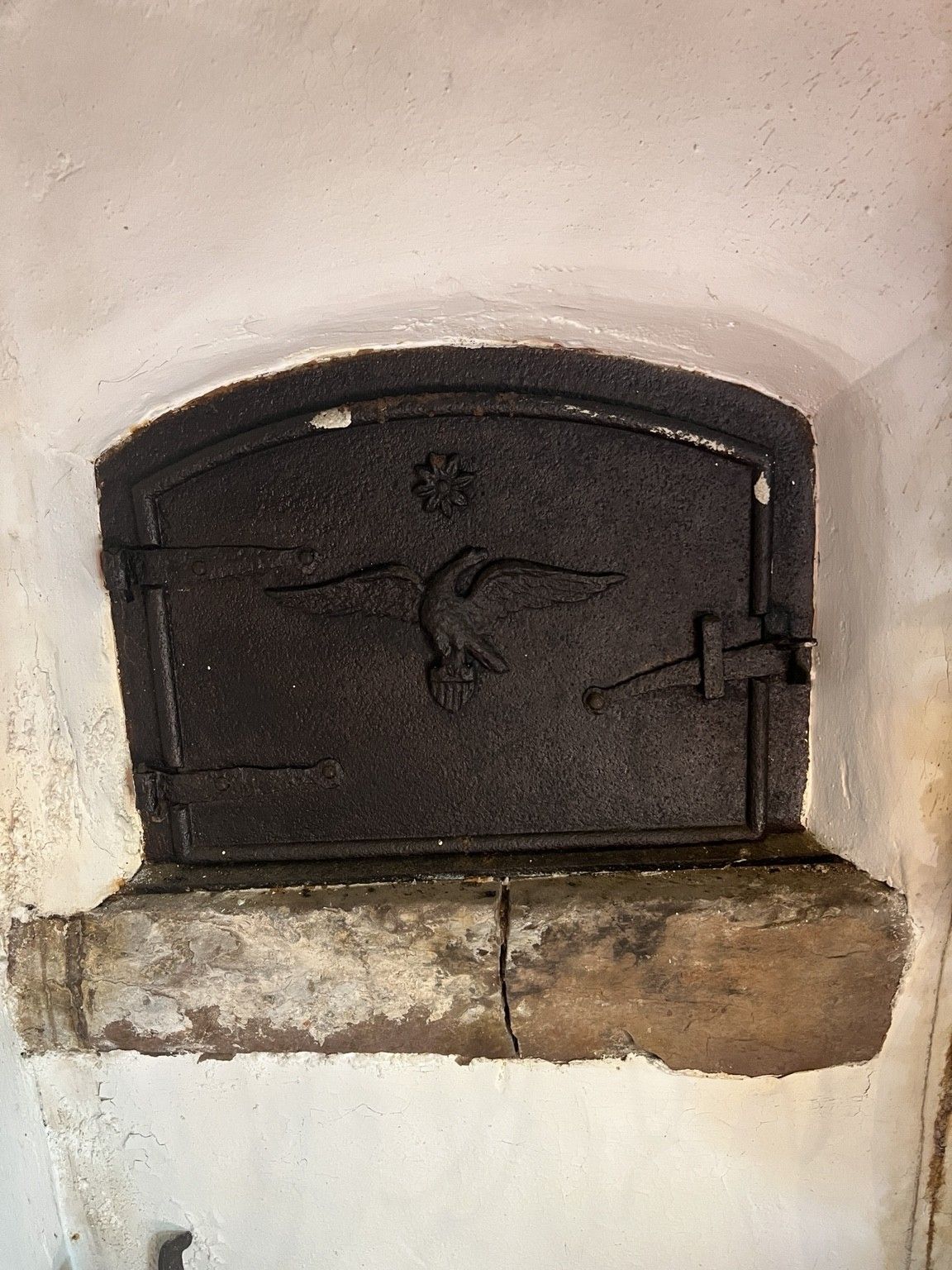
The cast-iron door of the Parry Mansion's bread oven, decorated with an eagle and shield

As you cook your holiday meal, picture doing it the Parry way.: several open fires, water carried by hand and a bread oven 14 feet deep.


The fireplace served as both stove and oven. Several fires could be burning while cooks prepared a meal, and each one required constant attention. Dough rose in a trough table before loaves went into the deep masonry oven. Preserving food took patience too: according to the mansion's history, smoking a side of meat could take 24 days.


Outside, the Springhouse served as the household's version of refrigeration. Its lower section is also 14 feet deep. Ice cut from local ponds during winter helped keep food cool in warmer months, while the upper floor provided a summer kitchen and extra lodging space. Moving hot cooking work out of the main house made the warmest months more bearable.


Water still had to be drawn and carried, fires tended and food carefully planned. The kitchen makes visible the knowledge, strength and constant work hidden inside an ordinary meal.


Support the working spaces that show what daily life really demanded.

Donate now

Beyond The Door

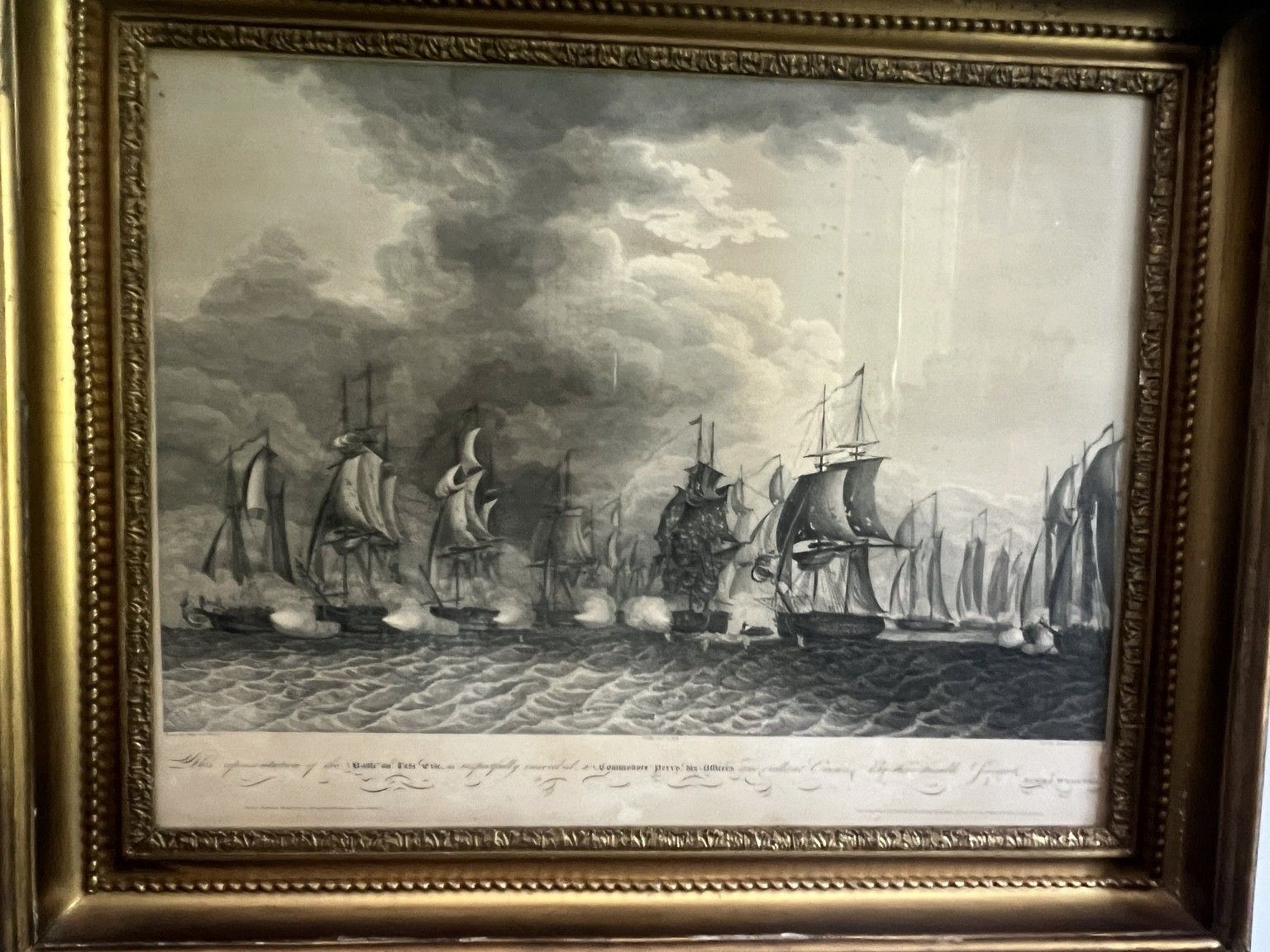
A framed antique engraving of the Battle of Lake Erie, with sailing warships firing cannons on chopp
By Jamie Kessler • November 25, 2026
While the War of 1812 was still being fought, Benjamin Parry gave first to build a bridge across the Delaware.
By Jamie Kessler • November 24, 2026
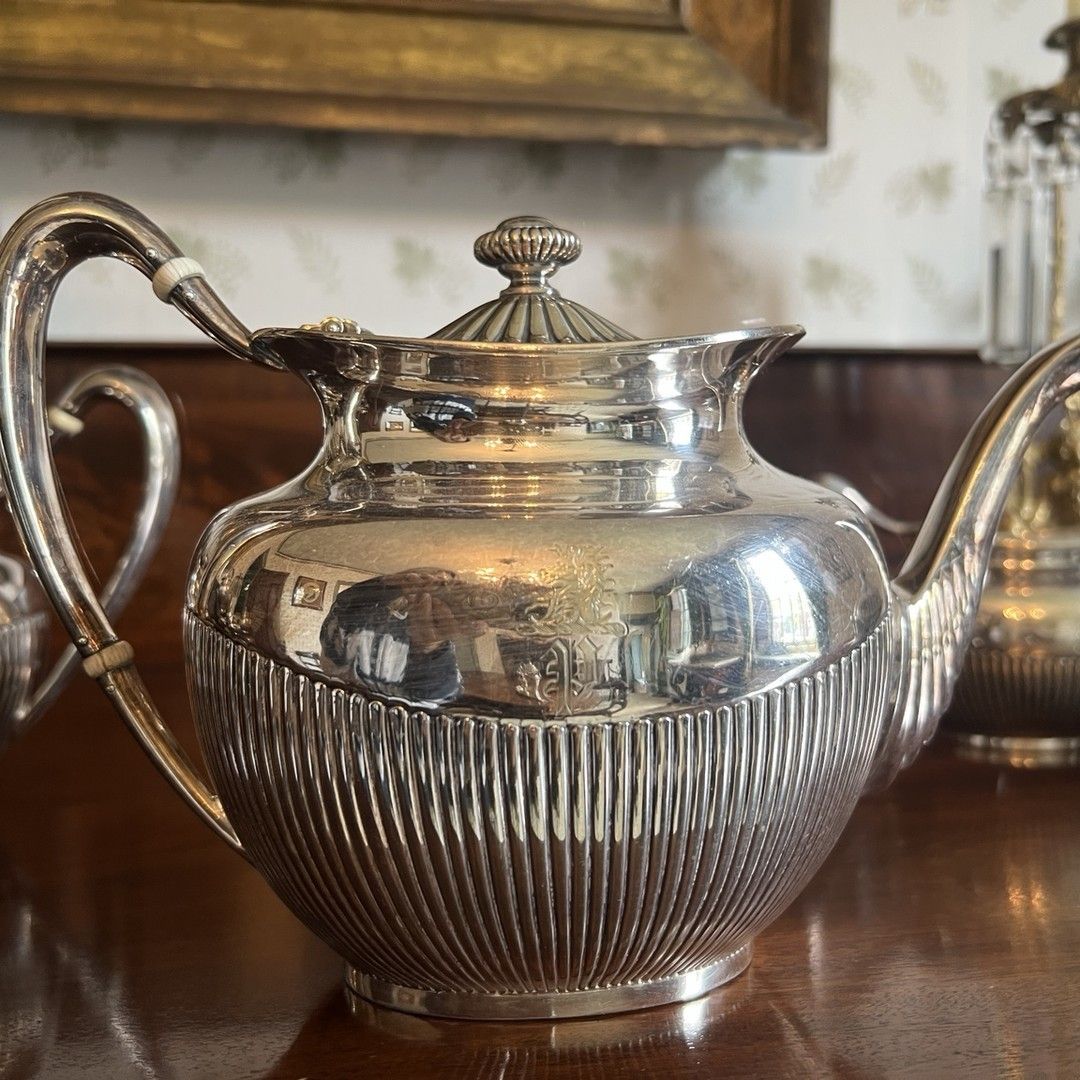
Look closely at the Parry family's silver tea service and you'll find more than polish. Turn a piece over and the engravings appear: initials, and dates decades apart. Passed from one generation to the next, the silver became a kind of family record. The tea table was never only about tea. In the Parry Mansion, the family's tea and chocolate services showed taste, status and connections to a much wider world. One teapot depicts the construction of the United States Capitol before its familiar dome was finished. A multipiece chocolate service in the "Orphans" pattern came all the way from Belgium. Other pieces belonged to the extended Parry family, including a porcelain service bearing the Jouet family coat of arms. Tea worth locking up. In the early 1800s, tea was costly enough to be guarded. In the Patron's Room, look for the wooden pears. They're tea caddies, and each one has a lock. These are not simply beautiful dishes. They connect private life in New Hope to trade, fashion, family and a young nation still taking shape. Small household objects often carry surprisingly large stories. Donations help us care for the real objects that make these stories possible. 
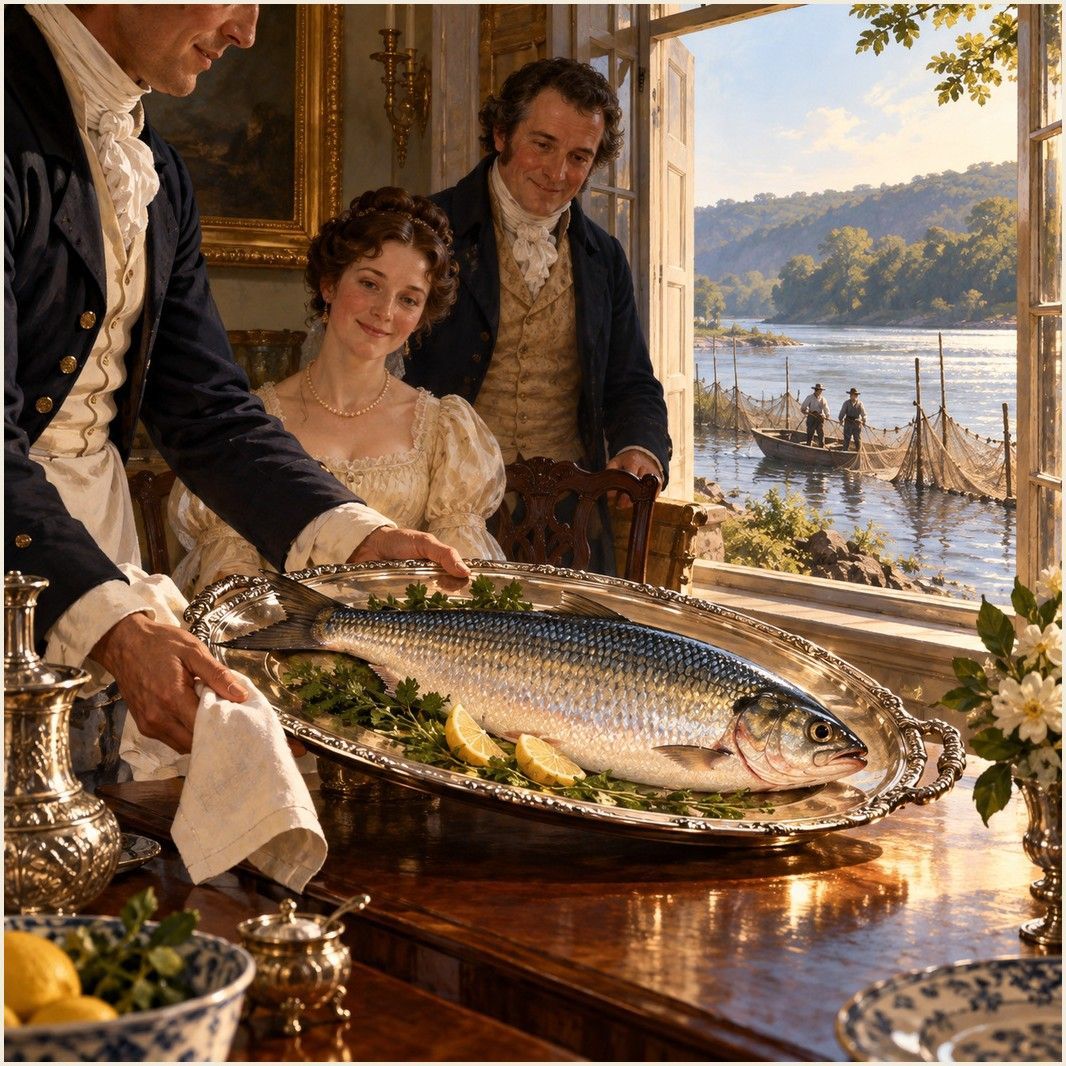
Illustration (artist's interpretation): the first shad of the season served at the Parry table
By Alicia Coombes • November 23, 2026
Each spring, Benjamin Parry received the first shad caught on the Delaware. Discover No. 4 of Unlock the Parry Mansion and New Hope's river traditions.